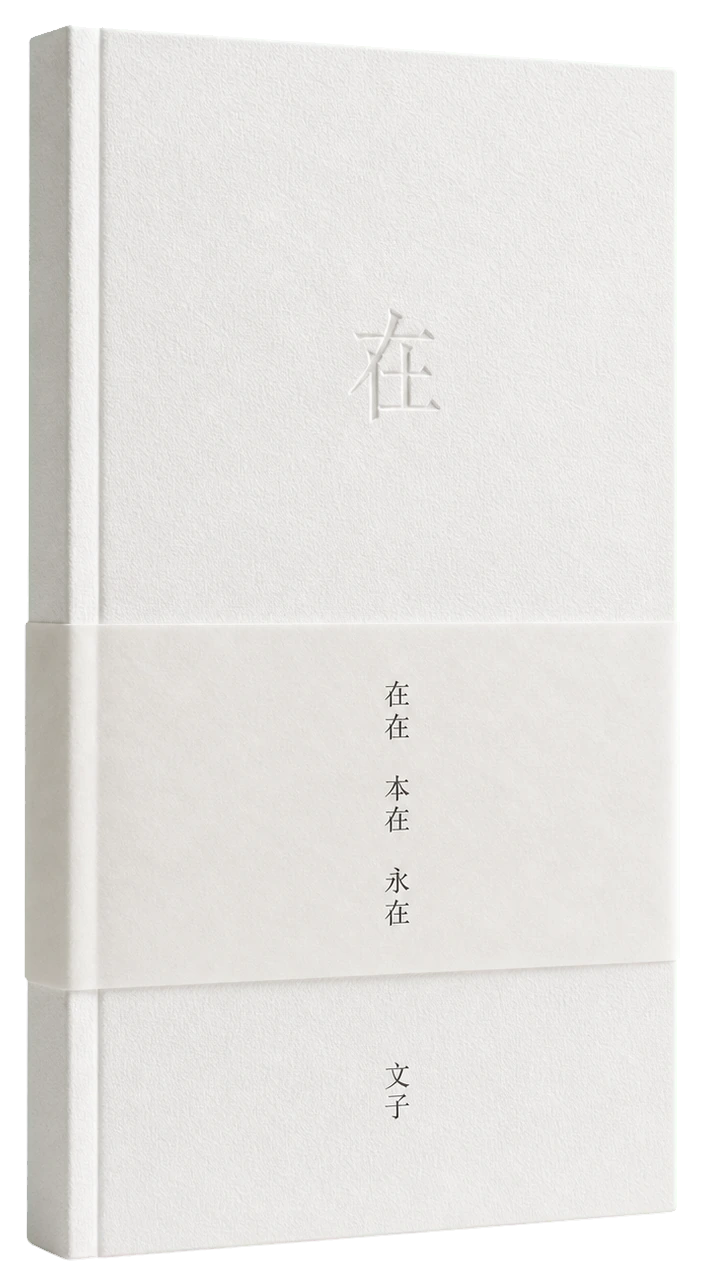
Being
Being is Wenzi’s work of thought in three volumes and eighty-one paired verses and commentaries. Being does not wait for recognition: seeking, insight, writing, and reading all occur within it. The work also questions its own central name, Zai.
The full text, free to read online. Registered work. No resale or wholesale reproduction without permission.
Full introduction to the work
Being (《在》) | Wenzi | A Work of Thought
Being does not wait for recognition; recognition, too, has never left being.
The book does not first posit a person separated from existence who must climb back to a highest state. Doubting, seeking, knowing, judging, and remaining silent already take place within being. Reading may transform experience, but it neither starts being nor completes it.
Across three volumes and eighty-one paired verses and commentaries, Being speaks from existence itself about the particular relations of persons and the world. The text addresses “you” and explores suffering, searching, and seeing one’s nature; such human forms of address do not make the human standpoint the first condition of being.
“Being does not wait to be recognized; recognition, too, is within Being.”
Its compact verses and Wenzi’s accompanying commentary test being and non-being, the self, awareness, and daily relations. The opening verse, explanatory texts, conclusions, and afterword address these questions in different registers. The reader can enter through a human question without turning the human question into the basis of the whole.
Even the statement “I have found Being,” the refusal to speak of it, or the act of dropping its name occurs within what is being discussed. The language itself cannot claim a privileged outside position. Thought is within the being of which it speaks.
This does not ban recognition or practice. Being also speaks positively of original or enduring being, seeing one’s nature, and pure awareness. These affirmations stand alongside “recognition, too, is within Being”: awareness is real, yet it is within being rather than before it.
Its opening verse turns the name back on itself: “Being is Being itself; yet Being itself is not a fixed Being—Being beyond what can be grasped as Being.” It also speaks of entering Being and forgetting Being, until neither entering nor forgetting remains.
Relinquishing a name is no ascent to a still higher place. The relinquishing, no less than the naming, remains within being. Human pain, relations, and changes in insight retain their real significance.
Nor is the book’s language of awareness set aside. Placed beside “recognition, too, is within Being,” it describes a real clarity within being, not a precondition of being.
Being is not a trivial repetition of “everything exists.” It asks how a thought could place its own formulation, its reader, and the reader’s recognition within what it names, without installing recognition as being’s final judge.
Being is already being. Recognition takes place within it; its absence leaves nothing lacking in being.